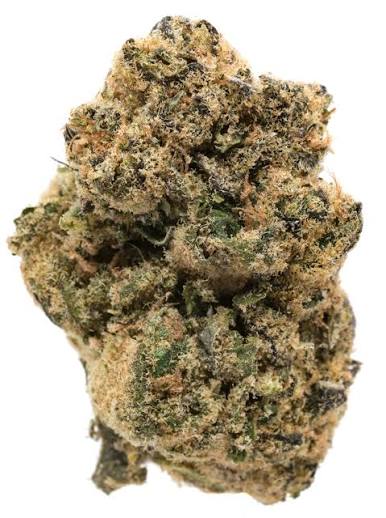
Candyland is a popular cannabis strain known for its sweet, fruity aroma, uplifting effects, and distinctive flavour profile. Often associated with creativity, happiness, and social enjoyment, this strain has attracted attention among cannabis enthusiasts who appreciate varieties with a sweet taste and energising characteristics. Its genetics, terpene composition, and appealing sensory qualities make Candyland an interesting strain to explore.
Candyland Strain Origins
Candyland originated in the United States and gained recognition through its association with California cannabis breeding. It was developed by crossing Granddaddy Purple with Bay Platinum Cookies, combining characteristics from two well-known cannabis varieties. The strain became particularly popular for its sweet aroma, attractive appearance, and reputation for delivering an uplifting experience.
Candyland has also received recognition within cannabis competitions, helping establish its reputation among enthusiasts and cultivators.
Candyland Strain Genetics
Candyland is generally described as a cross between Granddaddy Purple and Bay Platinum Cookies. These parent strains contribute different characteristics to its overall profile.
Granddaddy Purple is known for its grape-like sweetness and relaxing qualities, while Bay Platinum Cookies contributes dessert-inspired flavours and desirable cannabis characteristics. Together, these genetics produce a strain appreciated for its aromatic complexity, colourful buds, and distinctive flavour.
Candyland flowers may display green hues, orange pistils, and occasional purple colouring, depending on cultivation conditions and phenotype.
Is Candyland Strain Indica or Sativa?
Candyland is classified as a sativa-dominant hybrid, commonly described as approximately 70% sativa and 30% indica.
Its sativa influence is associated with uplifting, energetic, and mood-enhancing effects, while its indica genetics contribute a gentler physical relaxation. Consumers often describe Candyland as stimulating rather than heavily sedating, although individual experiences can vary depending on tolerance, dosage, and product potency.
Candyland Terpene Profile
Candyland’s terpene profile contributes significantly to its sweet aroma, fruity character, and subtle earthy undertones. Its commonly reported dominant terpenes include:
- Caryophyllene: Provides spicy, peppery, and slightly woody notes that balance the strain’s sweetness.
- Limonene: Contributes fresh citrus aromas, adding brightness to its fruity character.
- Humulene: Introduces earthy, herbal, and mildly hoppy undertones.
These terpenes create a layered aromatic experience rather than a purely sugary scent. However, terpene concentrations can differ between individual batches and phenotypes.
What Does Candyland Smell Like?
Candyland is particularly appreciated for its sweet, candy-like aroma. Its scent often resembles sugary berries, honey, and floral fragrances, creating an inviting and dessert-inspired profile.
When the buds are broken apart, deeper earthy and peppery aromas may become more noticeable. Some phenotypes also display citrus-like freshness, adding complexity to the overall fragrance.
The combination of sweetness, floral notes, and subtle spice makes Candyland recognisable among sweet-smelling cannabis varieties.
What Does Candyland Taste Like?
Candyland generally delivers a sweet and fruity flavour that reflects its aromatic characteristics. Its taste is often described as a combination of berry sweetness, honey-like richness, and delicate floral notes.
On inhalation, some phenotypes may produce flavours reminiscent of strawberries, sugary fruit, or sweet confectionery. On exhalation, earthy, herbal, and peppery undertones can emerge, creating a more balanced flavour experience.
The result is a distinctive combination of sweet, fruity, and slightly spicy characteristics that contributes to Candyland’s popularity among cannabis enthusiasts.